

.jpeg)
Dear friends, partners, and supporters,
2025 has been a defining and challenging year for people, the planet, and the medical-humanitarian sector - we witnessed and heard about this directly from colleagues, co-collaborators, partners, and participants. We also know that health needs are rising sharply as resources contract. Aid cuts, emerging and untenably ongoing conflicts from South Sudan, Gaza, Ukraine, and beyond, and the increasing marginalization, criminalization, and exclusion of vulnerable or made-vulnerable groups have widened gaps in access to essential care. Accelerating climate and biodiversity crises are worsening extreme weather, food insecurity, disease outbreaks, mental health, social instability and more—placing immense pressure on already fragile or remote health systems.
Like many health and humanitarian nonprofits, SeeChange faces growing constraints in raising multi-year, needs-based charitable funds: donor participation in Canada is at historic lows, making it increasingly difficult to raise sustainable funds for our work, as is the case for many organizations. These challenges have been compounded by increasingly restrictive U.S. policies, sudden aid cuts that disrupt programs, and funding reductions in Canada, affecting domestic and global health and climate action. Although some funders are shifting toward supporting locally led organizations and programs—a necessary and welcome trend—the transition remains uneven.
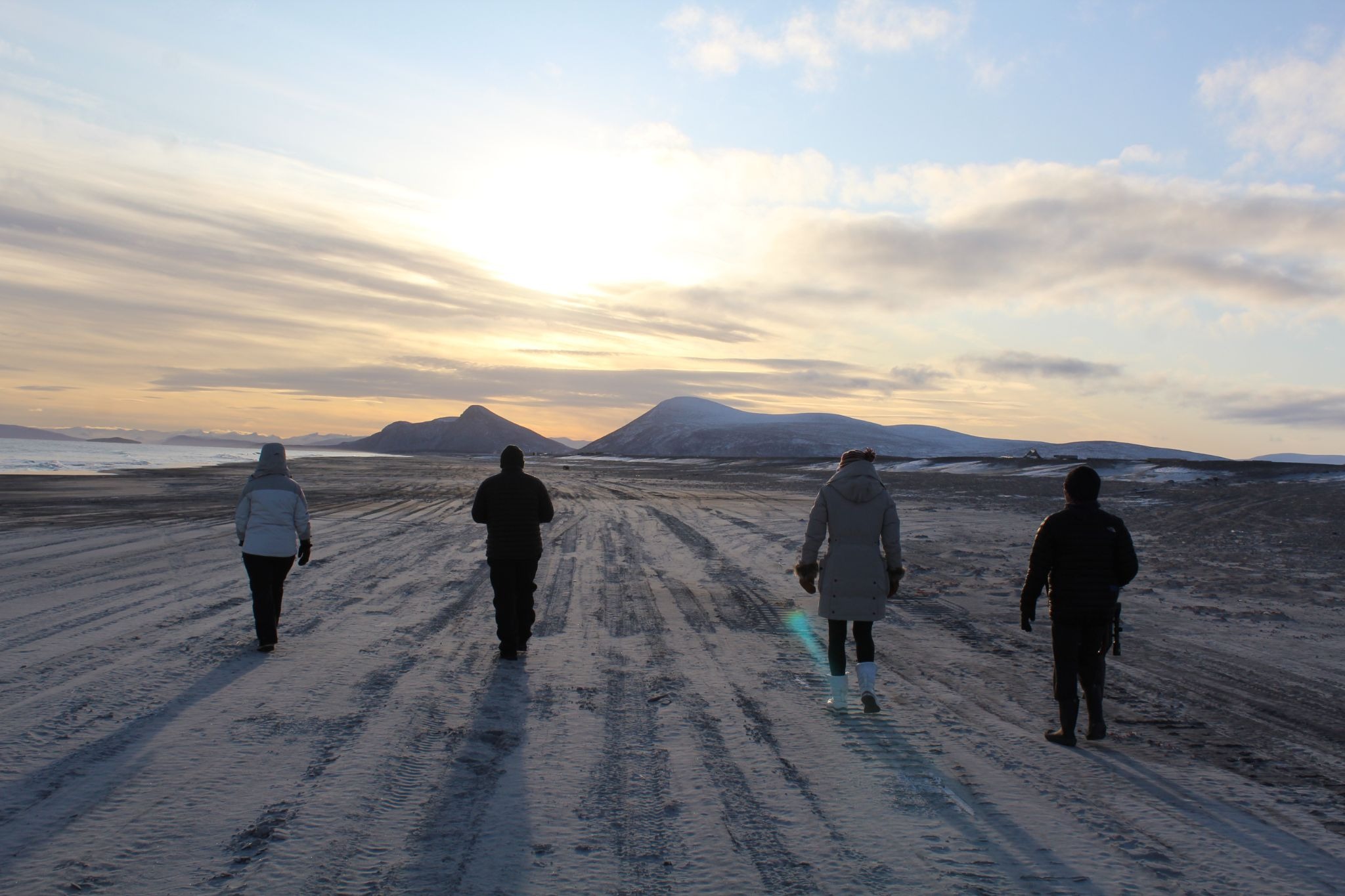
In light of these trends and to reduce financial risk while strengthening our ability to act in line with our principles, SeeChange has decided to voluntarily revoke its charitable status in Canada and its 501(c)(3) status in the U.S. at the end of 2025. Going forward, we will focus on private funding, partnership contracts, and collaboration agreements to remain community-first and values-driven. Our commitment to supporting community-led health solutions remains steadfast, and we are extremely grateful to all our funders and supporters past and present.
Read Our Full Report HERE
2025 has also, once again, underscored the urgent need for structural change in the broader humanitarian sector. Governments, donors, and institutions have long been pressed to shift power, decision-making, and resources toward affected communities—but progress is slow and in cases, backtracking. In contrast, local, community-led, and grassroots organizations continue to show extraordinary strength, adaptation, and resourcefulness despite shrinking support or new forms of exclusion. This year reflects both deepening global inequities and once again, the tenacity and commitment of communities supporting one another and leading innovative solutions regardless of what external support exists and is accessible and needs-based.
Amid this shifting landscape, we are proud of SeeChange and partners’ achievements at the end of 2024 and during the 2025 year. Our co-designed CommunityFirst tools and framework have been used by medical-humanitarian teams from Afghanistan to Palestine, and across the Americas, including in a recent youth workshop in Iqaluit, Nunavut. We completed our CommunityFirst project with MSF’s Transformational Investment Capacity and MSF Brazil, liaising with other community engagement efforts inside and external to MSF, and with great potential for expanded use of CommunityFirst tools.
We also collaborated with and gathered Inuit youth and facilitators to ArcticNet for a roundtable on wellbeing and climate action with CINUK (Canada–Inuit Nunangat–United Kingdom Arctic Research Programme). In addition, we supported a second Inuit Intergenerational Healing Journey with TB Sanatorium Survivors and youth, backed by the Hamilton Community Foundation and other supporters locally and in Nunavut. These efforts align with SeeChange’s founding aim: challenging health inequity and advancing community-led health and humanitarian solutions.
Our work with Inuit partners in Nunavut remains meaningful and reflects the core purpose for which SeeChange was founded. Supporting Inuit Elders forcibly sent to Southern Canada for TB treatment—and accompanying them, their families, and youth on healing journeys—has been a profound learning experience. These encounters support the recognition and healing of trauma carried across generations, alongside enduring strength, survivorship, and wisdom. They offer an opportunity for steps towards reconciliation in practice: listening closely, acting with humility, supporting Inuit-led healing and truth-telling, and partnering with Indigenous leaders and other organizations and entities with shared goals.
SeeChange’s roots are in Nunavut. Rachel Kiddell-Monroe founded this initiative in response to the disproportionate TB crisis that Inuit continue to face. Despite Canada’s and Inuit Tapiriit Kanatami’s (ITK) commitment to eliminate TB in Inuit Nunangat by 2030, Inuit continue to experience TB at rates nearly 300 times higher than non-Indigenous Canadians. Colonial harms, inequities in social determinants of health, and ongoing marginalization continue to undermine this goal. Our early work focused on awareness and advocacy in partnership with Inuit-led organizations.
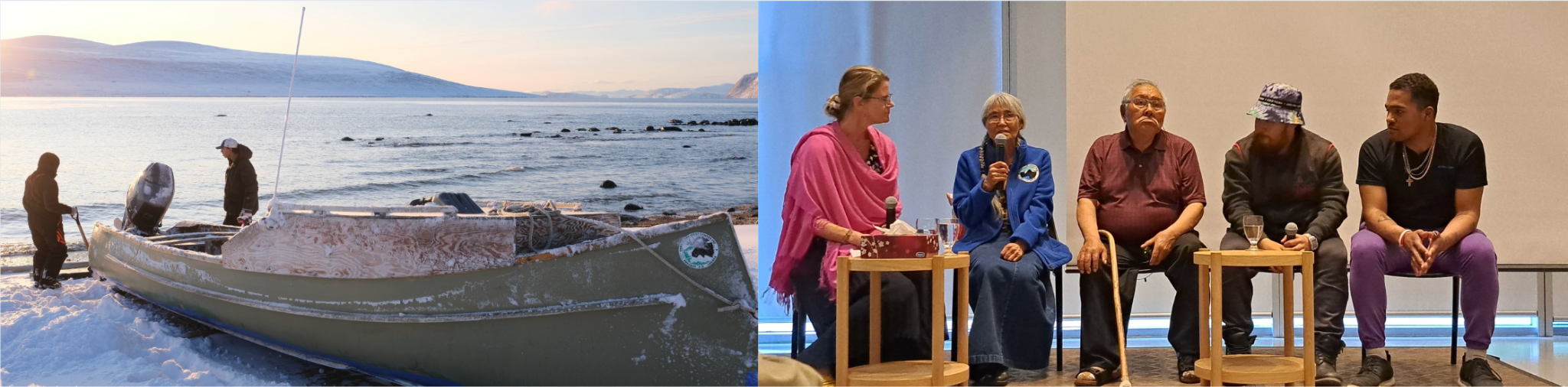
Guided by CommunityFirst—co-developed by Dr. Violeta Chapela and Jessica Farber, emphasizing deep listening, trust, co-design, and shared decision-making—we applied these principles in Nunavut. Elder Ida Ataguyok reminded us of the wounds carried from the TB sanatorium era, when up to one-third of Inuit were forcibly sent south. In response, we supported two intergenerational healing journeys to Hamilton with sanatorium survivors, families, and youth. These moments allowed Elders to share truths, while young people gained insight into the roots of fear and stigma that persist today. We are elated that Ida, who inspired the healing journeys, was able to join the May 2025 journey with her daughter Naomi Tatty, SeeChange’s Intercultural Health Lead—symbolically returning to Hamilton decades after being sent to the Moose Factory sanatorium. How incredibly special to have done a small part, but also to model what is possible. Biggest takeaway - listen, do.
We are also thrilled to collaborate with Taqqut Productions/Inhabit Media, an Inuit-led media company, on a documentary in Inuktitut (with English subtitles) about the 2025 healing journey. The film will help more Inuit—and Canadians—learn about this history - in the survivors’ and families' own voices - and strengthen awareness needed to end TB and address health inequities across Inuit Nunangat.
As we transition from a charitable initiative - but remain a social-purpose organization - our commitment is unchanged. We are grateful to donors, partners, staff, consultants, Elders, youth, and the community carers and workers—from Brazil to Sierra Leone to Nunavut—who have joined with, taught, and journeyed with us. Thank you for your trust, solidarity, and belief in community-led change. - Carol Devine, COO, SeeChange Initiative
We dedicate this report to Naudla Osheweetok, who passed away in November 2025 at age 77. Naudla joined the 2023 intergenerational healing journey from Kinngait to Hamilton with his grandson Iola. “I didn’t expect to be in tears when I got here,” he said near the former sanatorium site. “I feel release. I cannot describe it. Now I feel like singing.”
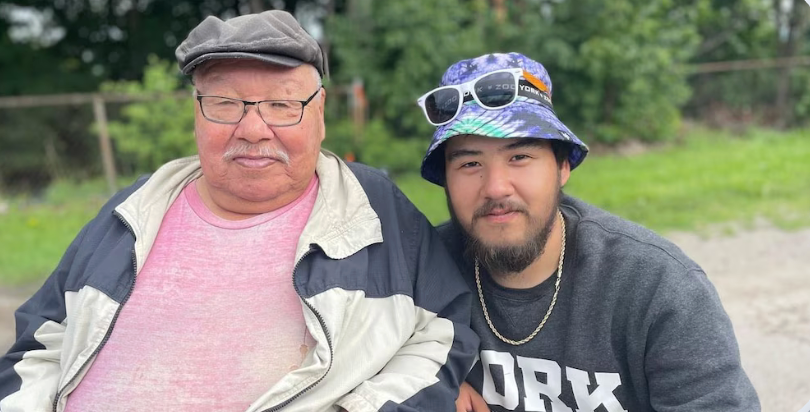
Naudla Oshoweetok, left, at the former Hamilton sanatorium site with grandson, Iola, 2023 Photo: Samantha Beattie/CBC
Read Our Full Report HERE

.jpg)


